

When a loved one is facing a life-limiting illness, the world can feel like it is spinning a little too fast.
There are doctor’s appointments to juggle and medication schedules to follow. You want to do everything right for them. Many family caregivers feel overwhelmed by the logistics of care, and wish they could just hold their loved one’s hand without worrying about their vitals, or sit and listen to their stories without stressing about their comfort.
The hospice journey shouldn’t be defined by medical charts or clinical tasks. Hospice should be about dignity, making memories, and celebrating the life of a loved one. Your hospice team is there to surround your family with experts who handle the details so you can focus on making the most of your time together.
While nurses and doctors play critical roles on this team, there’s another member whose work is so crucial to a patient’s daily comfort. In this article, we’re highlighting the work and contributions of home health aides.
Many families ask us, “What do home health aides do?” These amazing professionals are the hands and heart of daily care. Home health aides make sure your loved one feels fresh, dignified, and truly seen every single day. Let’s talk about what they do.
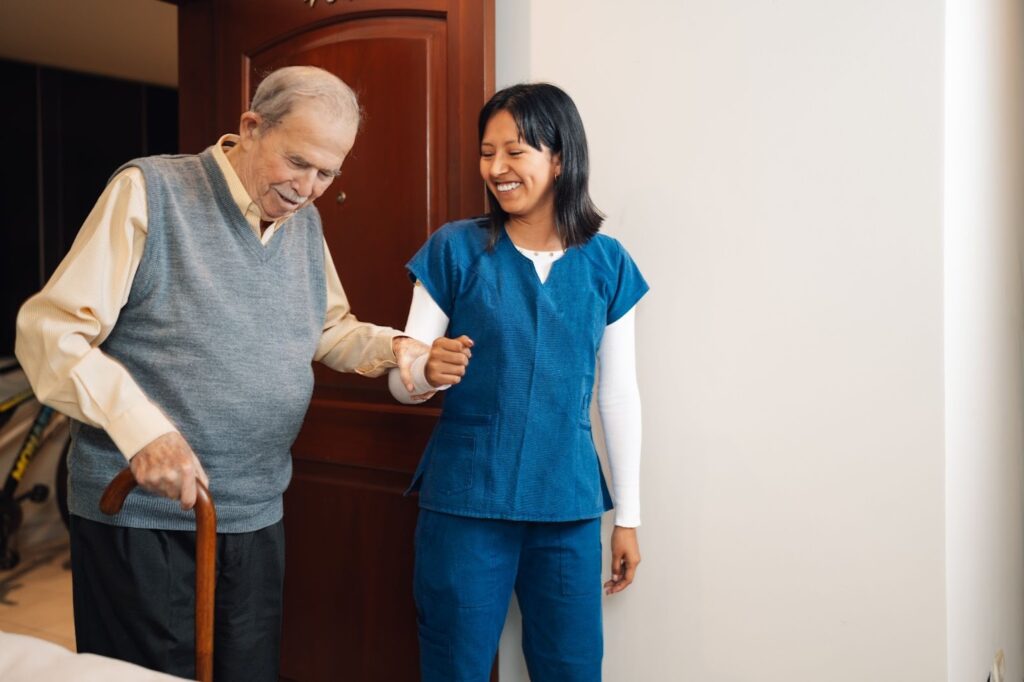
At its core, a home health aide’s role is about preserving dignity. When a patient’s mobility becomes difficult or their energy fades, simple tasks of daily living (like bathing, dressing, grooming) can become major hurdles. For a family caregiver, stepping into the role of bather or bathroom assistant for a loved one can sometimes feel complicated. Caregiving can feel confusing because of the changes in your relationship’s dynamics — for both you and the patient. This is where home health aides really provide comfort and relief.
So, what do home health aides do on a practical level? They assist with personal care tasks that help your loved one feel more like themselves.
- Bathing and Grooming: Whether it is a full shower or a bed bath, aides make sure your loved one feels clean and refreshed.
- Dressing: Health aides maintain a sense of routine and normalcy by helping patients change into fresh clothes or comfortable pajamas.
- Skin and Mouth Care: It’s so important for a patient to stay hydrated and maintain oral hygiene to prevent other issues. Home health aides assist with this care.
- Mobility Assistance: Aides help with safe transfers from a bed to a chair, repositioning to prevent soreness, and walking assistance.
Assistance with this kind of daily care is so important. But beyond these tasks, home health aides are also there for companionship. They’re there to chat about the weather, listen to a patient’s favorite music, or just sit together quietly. Health aides get to know your loved one as a person, not just a patient.
And this personal connection provides a lot of comfort for families. It’s so important to know that your hospice team is treating your loved one with the same gentleness and respect they’d want for their own family.

Nurses and Aides: A Partnership in Care
You might be wondering, “What do home health aides do that’s different from a hospice nurse?” Home health aides and nurses have different functions, but work together to meet a patient’s needs. Think of them as two hands working together to support your loved one.
A hospice nurse is the clinical manager of your loved one’s care. They’re the ones assessing pain levels, managing symptoms, coordinating with the doctor, and organizing medications. A hospice nurse is the “eyes and ears” for the medical plan. This professional makes sure pain and symptoms are controlled and that the progression of the life-limiting illness is being managed expertly.
So, what do home health aides do?
While a nurse might visit to check vitals and adjust a prescription, the aide visits to help your loved one wash their hair or shave.
- Nurses: Administer medication, care for wounds, assess physical condition, and educate the family on what to expect medically.
- Home Health Aides: Assist with activities of daily living, change bed linens, keep the immediate living area tidy, and report any changes they see to the nurse.
Because aides often spend the most consecutive time with patients during their visits, they are often the first to notice small changes. Maybe your dad is eating a little less today, or your mom seems a bit more restless than usual. The aide communicates this immediately to the nurse, so that they can quickly adjust the care plan. This tight-knit collaboration ensures that your loved one is wrapped in a layer of safety and attention.

Care That Feels Like Family
Here at Envision Hospice, we select our home health aides not just for their skills, but for their hearts. We know that inviting someone into your home (especially during such a vulnerable time) requires a lot of trust. You need to know that the person walking through your door respects your home, your culture, and your family’s unique rhythm.
We see our aides as ambassadors of comfort. When we answer the question, “What do home health aides do at Envision?” we’re talking about building relationships as well as providing care. Our aides understand that they are guests in your sacred space. They’re trained to be attentive to the atmosphere of the home.
This is part of our holistic approach. We know that “health” in hospice is not just about physical stats. It’s also about relationships.
- Companionship: Both patients and families can feel sad and isolated during hospice. Aides provide social interaction that can lift their spirits and remind them they’re not alone.
- Respite for You: When the aide is there, you can take a breath. You can run an errand, take a nap, or just sit in another room and drink a cup of coffee while it is still hot. You can rest knowing your loved one is in safe, capable hands.
- Cultural Respect: We honor the traditions that make your family who you are. Our team is sensitive to cultural preferences in care, modesty, and communication.

Creating Space for You to Be You Again
One of the greatest services a home health aide provides is the gift of time and restoring family roles. We often meet families where the daughter has become the case manager, the nurse, and the bather. She’s so busy doing the work of caregiving that she doesn’t have time to stop… and just be.
When you hand over the task of bathing and changing linens to an aide, you free yourself up to do the things only you can do. You can hold your mom’s hand and look at old photo albums. You can read to your dad. You can sit and pray together. You can focus on the love that connects you, instead of the logistics that drain you.
So, what do home health aides do? They take on the physical labor of care so that you can focus on the emotional labor of love. They give you space to step back from the stress of “doing” and just be there for your loved one. And they can help you just be you again.
It’s not talked about enough, but caregiver burnout is real. And it often stems from feeling like you have to do it all alone. But we want you to know that you’re not alone. A hospice team can take the weight off your shoulders and make sure that your loved one gets the care they need. That way, you can have the energy and strength to be the support your family needs.
We’re Here to Walk With You
Ultimately, home health aides are part of the larger circle of support around your family. Here at Envision, we know that a life-limiting illness affects your whole family. During hospice, families need holistic support. That’s why your care team includes chaplains for spiritual care, social workers for emotional and logistical guidance, and volunteers for extra companionship.
To answer the question, “What do home health aides do?”: They help with daily tasks and companionship. They’re team members who help your loved one look and feel more like themselves. They help honor your loved one’s dignity.
Navigating hospice is never easy, but please know that you don’t have to do it alone. At Envision Hospice, we’re honored to walk alongside you through this journey. We’re here to answer your questions, provide information, and give the expert, compassionate care your loved one deserves.
Whether you’re just starting to explore hospice options or you are in the thick of caregiving right now, please reach out. We’d love to show you how a hospice team can support you and your loved ones.